Beneath St Peter’s: Is the Apostle Really Buried Under the Basilica?
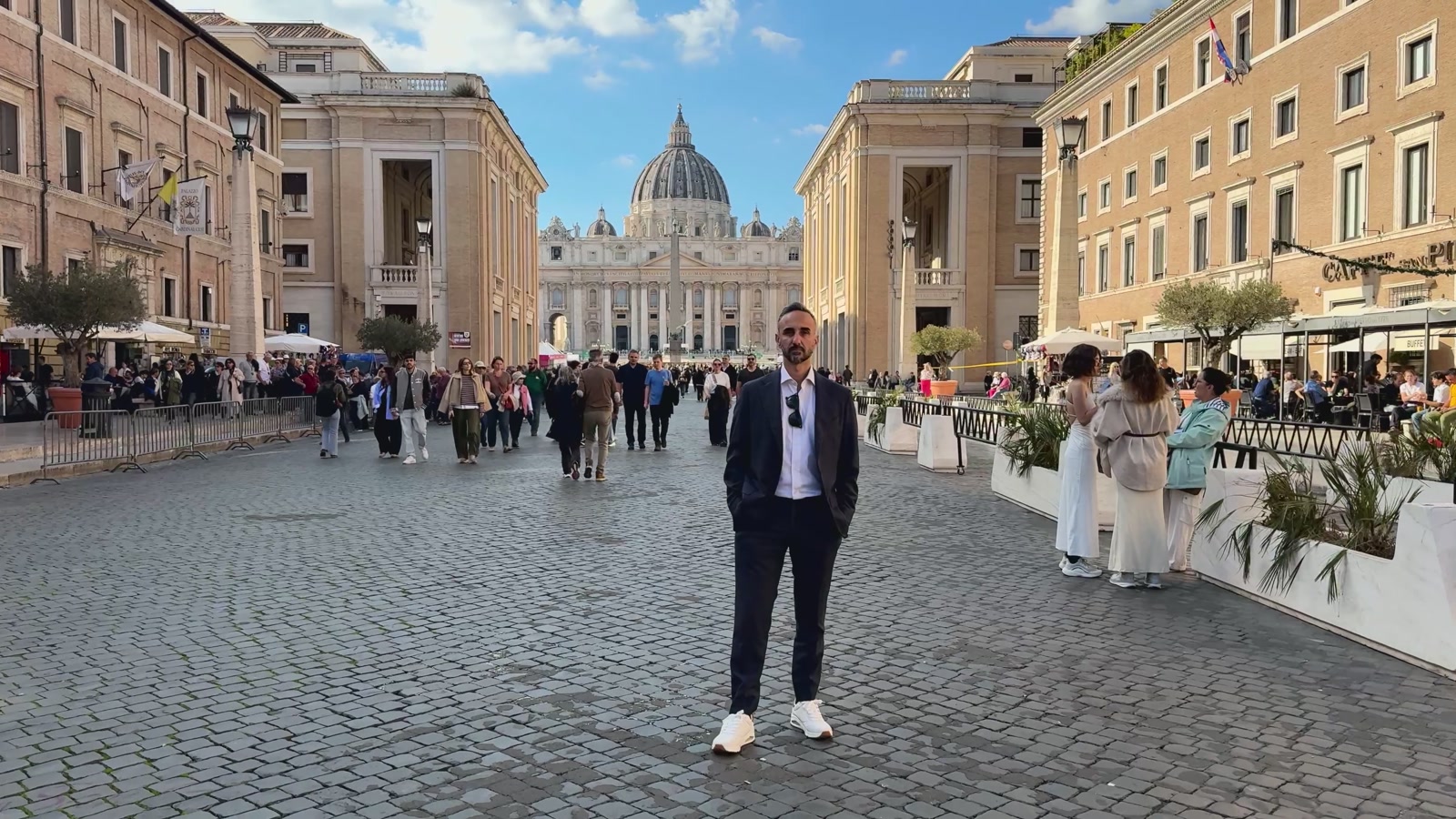
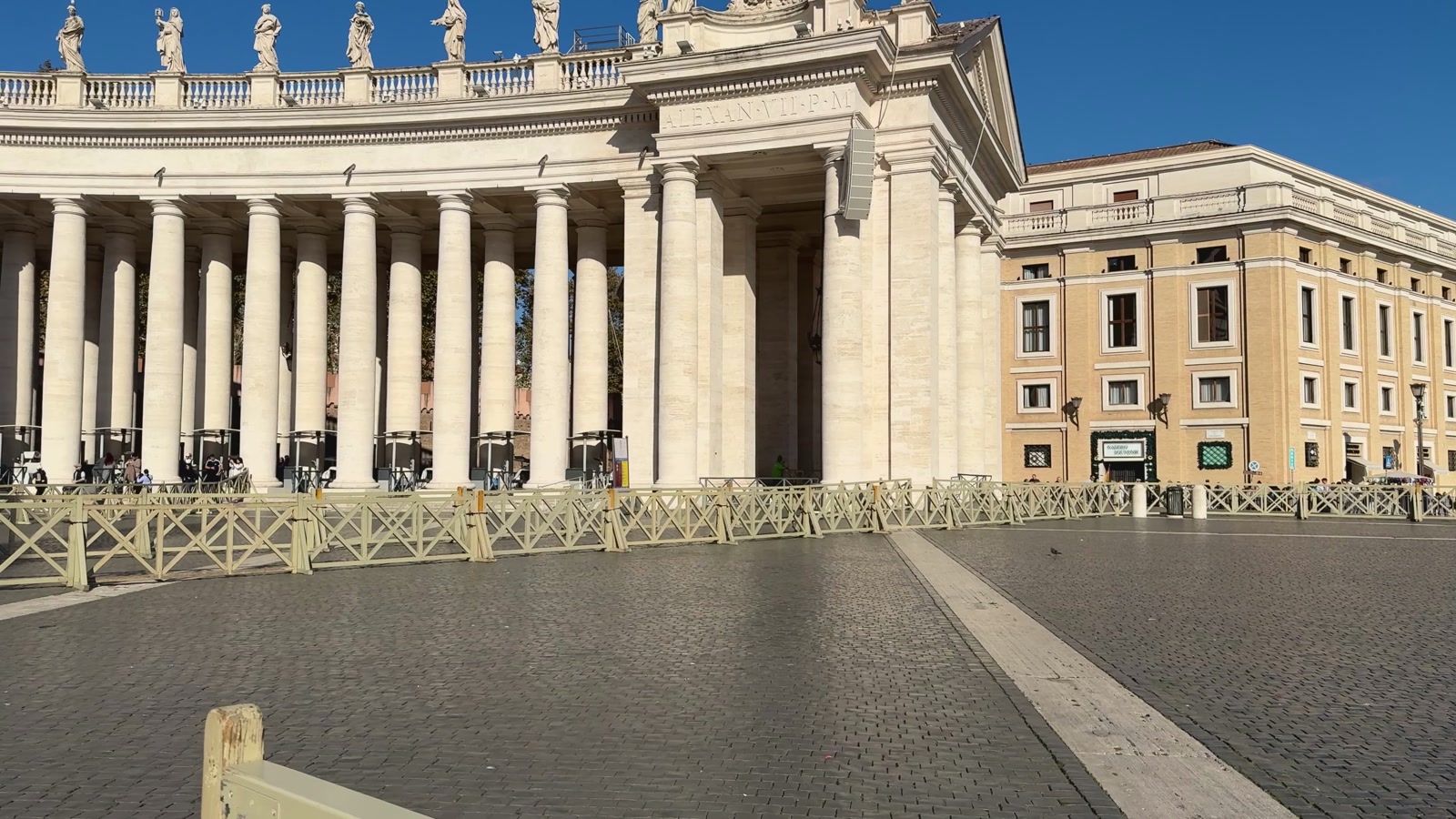
The first time St Peter’s truly struck me, I was on foot. You come up the Via della Conciliazione with the river at your back, and the basilica does not so much appear as grow — wider, and then taller — until the colonnade opens its two great arms around the square and gathers you in.
I have stood before many large buildings; few of them make you feel as small as this one does, and fewer still manage it after four centuries of standing there. The scale was never an accident. It was meant to overwhelm you. And yet the most astonishing thing about St Peter’s is not what rises above you — it is what lies beneath. Because all of it — the dome, the vast square, the palaces heavy with history that crowd around it — was raised, with enormous deliberation, over a single and very humble thing. A grave.
What the basilica was built upon
The ground beneath St Peter’s was never empty. In Roman times this was a cemetery — a necropolis of tombs and mausoleums climbing the Vatican hill, beside a circus where Christians were put to death. When the Emperor Constantine chose this spot for the first great basilica, around the year 320, he did something that made no architectural sense: he buried a working graveyard, cut into the slope, and went to extravagant trouble to set his altar on one exact point. He was not building where it was easy. He was building over a grave that Christians already venerated as the tomb of Peter.
Today you can read the layers like the rings of a tree: the basilica at the top; below it the Vatican Grottoes, where the popes are buried; and below those, the ancient necropolis itself, and the tomb.
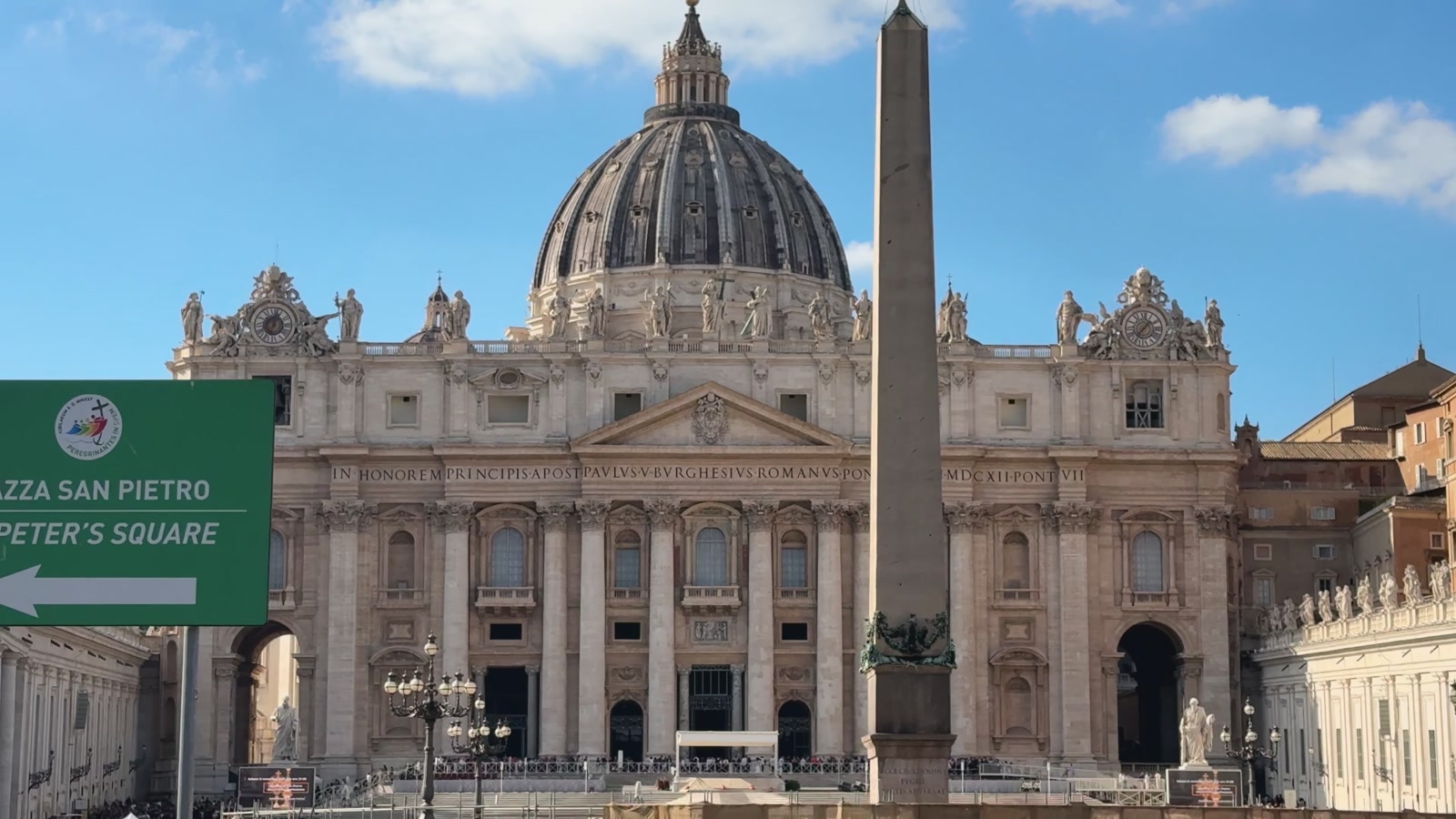
The grave at the centre of everything
As early as the second century, a small monument — scholars call it the Trophy of Gaius — already marked the place, and around the year 200 a Roman priest named Gaius wrote of the “trophies” of the apostles standing on the Vatican. For centuries after, the precise spot survived only in memory and tradition, sealed beneath the altars built above it.
The excavations beneath the altar
It was Pope Pius XII who finally ordered the ground opened. Between 1939 and 1949, archaeologists dug beneath the basilica and uncovered the buried necropolis, street by street, until they reached the monument itself — and beside it a wall covered in the scratched prayers of early Christians, among them a fragment read as Petros eni: “Peter is here.” Human remains were found nearby; studied over years by the scholar Margherita Guarducci; and in 1968 Pope Paul VI announced that the relics of St Peter had, to the best of the Church’s judgement, been identified. History and faith rarely meet so plainly as they do under that altar.
How close you can come
Almost no one descends to the tomb itself — the excavations are open only to small, booked groups, and no camera is allowed down there. But you do not have to go underground to feel it. Stand in front of the high altar, beneath Bernini’s bronze canopy, and the marble floor opens into a sunken space ringed with lamps that are never allowed to go out: the Confessio. Lean on the rail and look down, and you are as near to the grave of Peter as an ordinary pilgrim ever comes — the whole weight of the basilica narrowing, in the end, to the point beneath your feet.
The ones who still come on foot
What stayed with me longest was not the marble. It was the faithful I watched arriving on foot that day, some of them plainly at the end of a long road. You understand something, seeing them, that no guidebook conveys: this is not a monument to be ticked off. It is a destination. People are still moved to walk toward it from every corner of the earth, and they do so because of who lies beneath it, not because of how high the dome climbs.
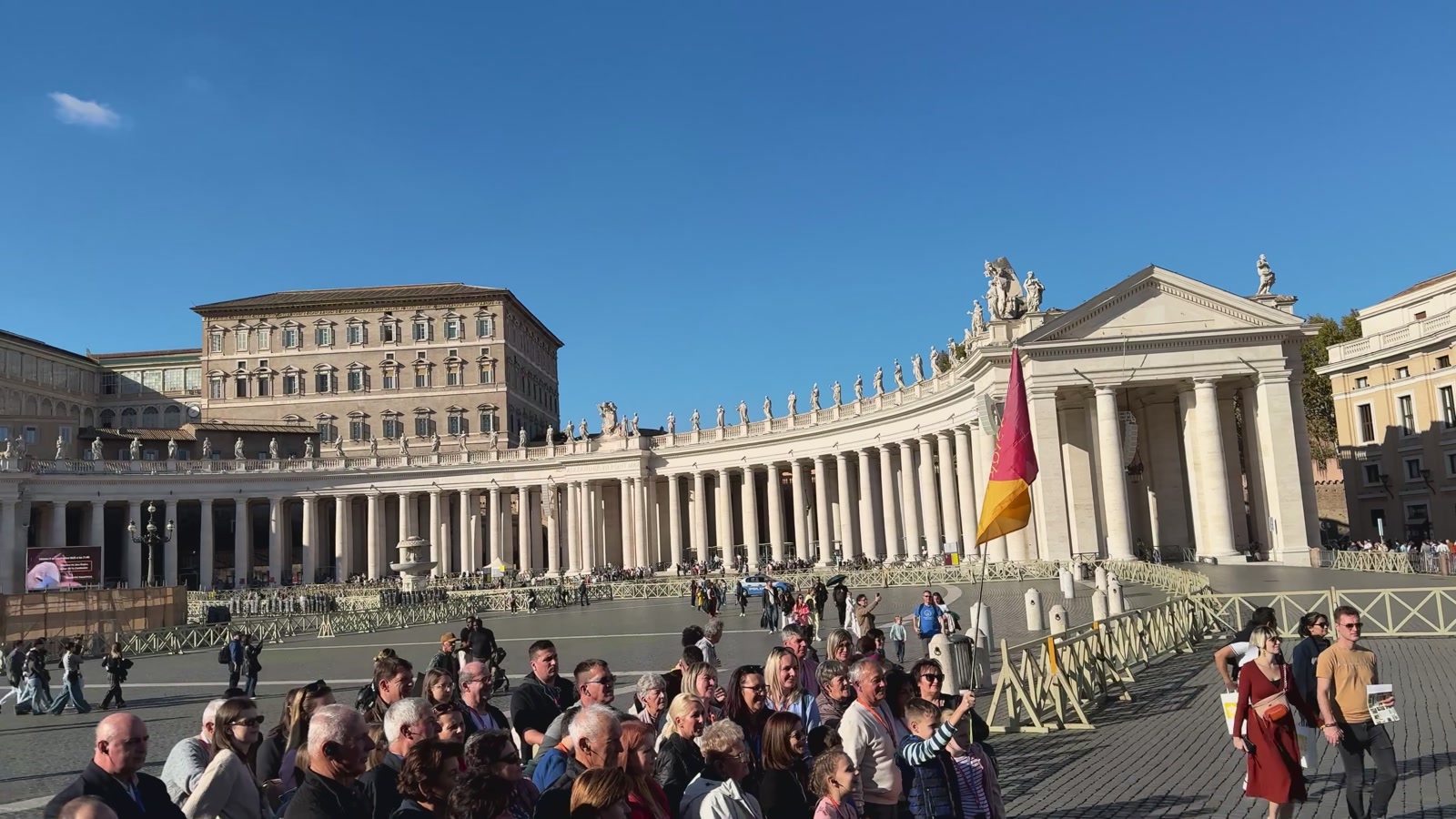
The greatest church in the world, raised over the plainest of things: a grave.
That is the whole reason we travel the way we do. You already know that Peter came to Rome, and that he died here. What preparation gives you is the power to stand in that square and read it — to feel the grave beneath the grandeur, and to recognise the thread that runs, unbroken, from a fisherman’s tomb to the faith you carry today. That is the distance between seeing St Peter’s and understanding it. Pilgrimage, not tourism: prepare your heart, not only your suitcase. It is what we do with Christian Roots Journeys — the same way we prepare travellers for the cell where Peter was held before the end.
The greatest church in the world was raised over the plainest of things: the bones of a man crucified upside down because he would not deny what he had seen. Twenty centuries later, the empire that killed him is a field of broken columns in the sun, and pilgrims still climb the steps above his grave. The basilica does not tell you this. It simply stands where it happened — and lets you, if you came prepared, understand it.
Whether you are a pastor bringing your congregation or a traveller going on your own, we build the whole journey around understanding — so that a place like St Peter’s opens up to you, from the square above to the tomb beneath, instead of passing you by. Tell us about your trip and we’ll start planning it with you.
Plan your pilgrimage →Common questions
By long tradition and, since the twentieth-century excavations, by archaeological evidence, yes: St Peter is held to be buried beneath the high altar of St Peter’s Basilica, on the Vatican hill where he was martyred. In 1968 Pope Paul VI announced that his relics had been identified there.
Directly below the papal high altar and Bernini’s canopy, at the deepest level of the basilica — within the ancient Roman necropolis uncovered by the Scavi excavations. The sunken Confessio in front of the altar sits immediately above it.
An ancient Roman cemetery. Around 320 the Emperor Constantine built the first basilica directly over a grave already venerated as Peter’s, burying the necropolis beneath it. The present basilica stands on the same spot.
The tomb lies within the Vatican Necropolis (the “Scavi”), open only to small guided groups by advance booking through the Fabbrica di San Pietro; no photography is allowed. Every other visitor can still look down into the Confessio toward it, free of charge.