The Appian Way: Walking the Road St Paul Took into Rome
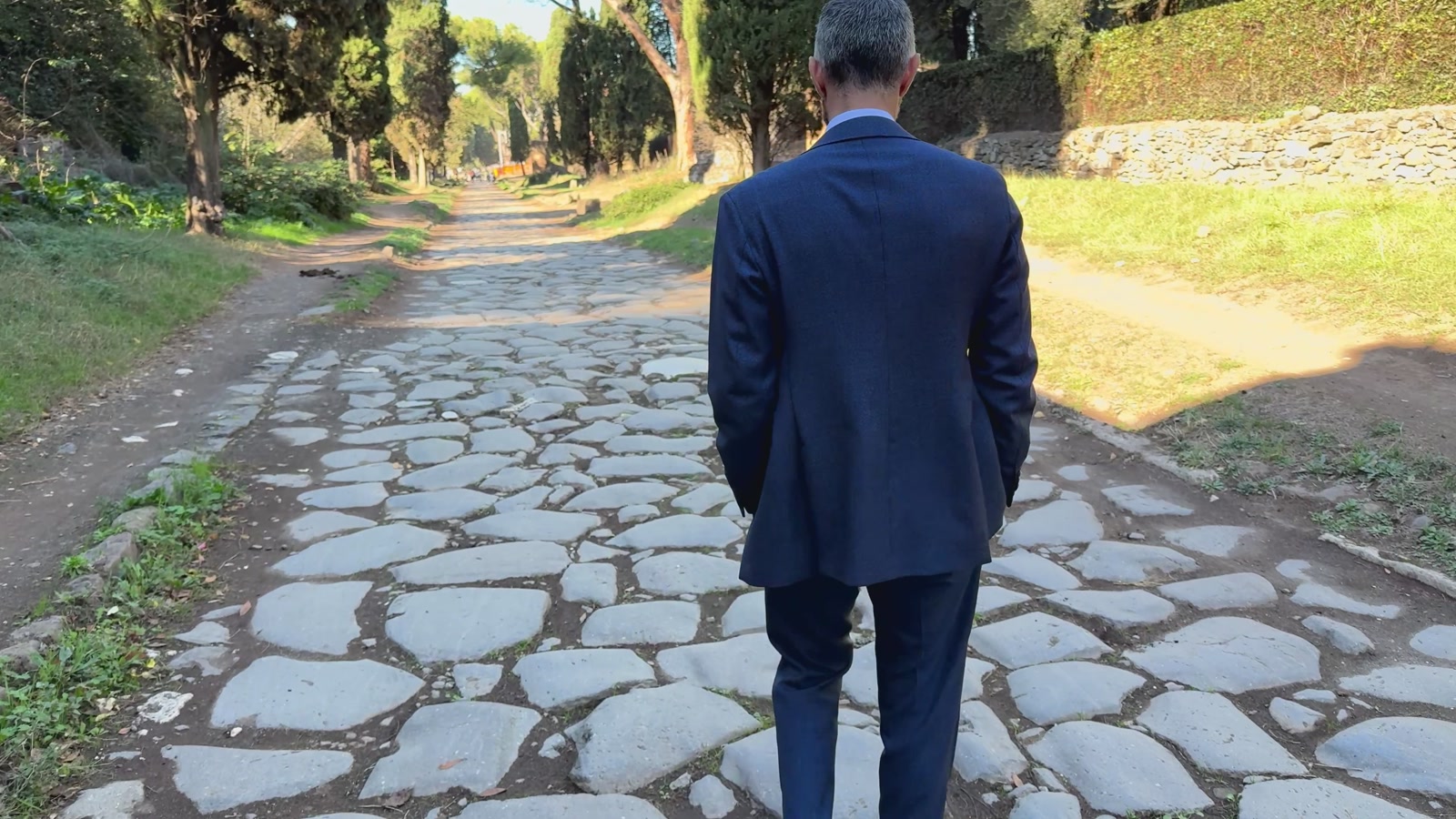
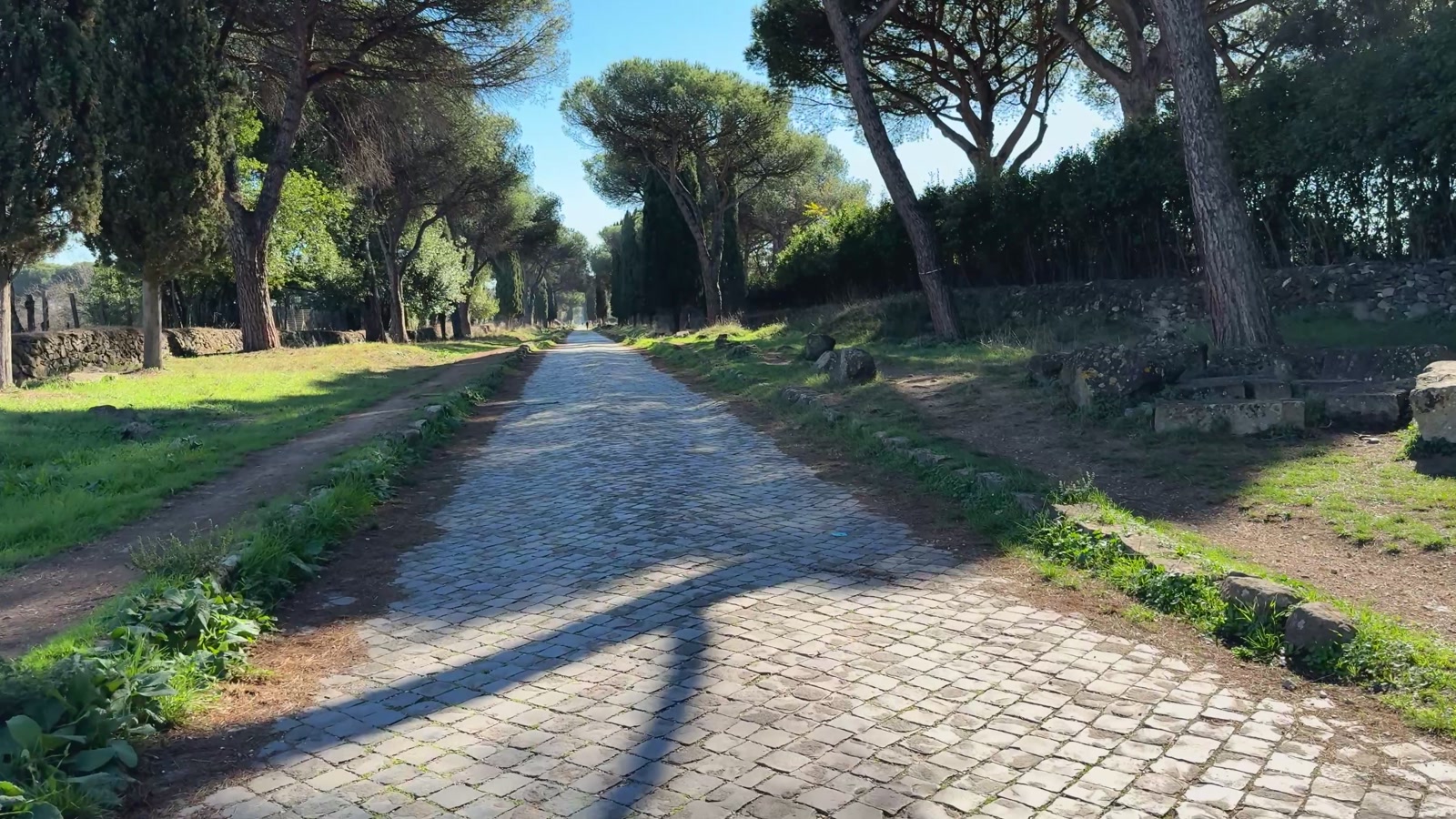
There is a stretch of Rome where, for a while, you forget you are in a city at all. Walk out along the old Appian Way and the traffic falls behind you; what is left is a straight line of worn stone running south between umbrella pines and dark cypresses, past broken tombs and the gates of dreaming villas, with almost no one on it — a jogger, a couple on bicycles, and silence. It is one of the green lungs of Rome, and one of its oldest roads. It is also, though nothing announces it, the road on which the Christian faith first walked into the city.
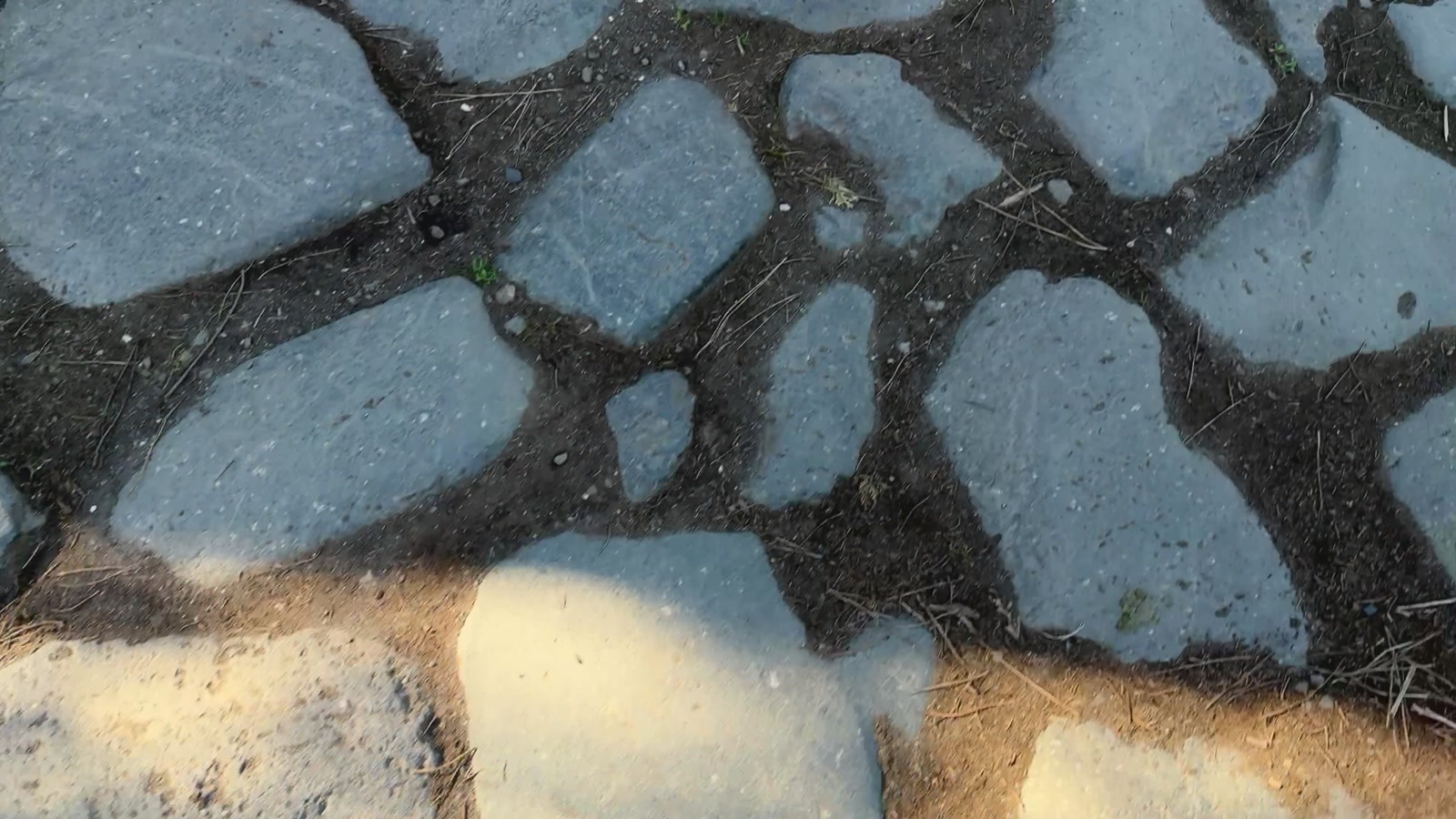
Because the stones you are picking your way across — and you do have to watch your feet, since the paving is the original basalt, laid down and worn hollow over two thousand years — are the same stones that once carried a prisoner named Paul, under guard, on the last day of his road to Rome.
The Queen of Roads
The Romans called it the regina viarum, the queen of roads. Begun in 312 BC by the censor Appius Claudius Caecus, the Via Appia ran from the city gate all the way to Brindisi on the heel of Italy — the great artery to Greece and the East. It was engineering as a statement: dead straight, superbly built, and, because Roman law forbade burial inside the city, lined on both sides for mile after mile with the tombs of the dead. To travel the Appia was to walk between the living and the departed the whole way out of Rome.
“And so we came to Rome”
That is the road the Acts of the Apostles places beneath Paul’s feet. Brought to Italy as a prisoner after his shipwreck, he came up from the bay of Naples on foot, and the book records the moment with unusual tenderness: Christians already living in Rome walked out along the Appian Way to meet him — at the Forum of Appius and the Three Taverns, both staging posts on this very road — and “when Paul saw them, he thanked God and took courage” (Acts 28). Then the line every pilgrim remembers: “And so we came to Rome.” The last miles of that sentence were walked here.
A road lined with the Christian dead
The same law that pushed Rome’s tombs outside the walls shaped what came next. Out here, along the Appia, the early Christians dug their own cities of the dead — the catacombs of San Callisto, San Sebastiano and Domitilla — miles of galleries where the first generations of the Roman church were laid to rest, and where, in times of persecution, they gathered. The road of the pagan dead became, underground, the road of the Christian dead as well.
Quo vadis?
And it is on the Appian Way that tradition sets one of the most human moments in all of Christianity. Fleeing Rome and the coming persecution, Peter is said to have met Christ walking the other way — into the city. “Domine, quo vadis?” — Lord, where are you going? — Peter asks; and Christ answers that he is going to Rome to be crucified again. Ashamed, Peter turns back to his own death. A small church on the road, Domine Quo Vadis, still marks the spot.
The queen of roads became the road the faith walked in on.
Walking it today
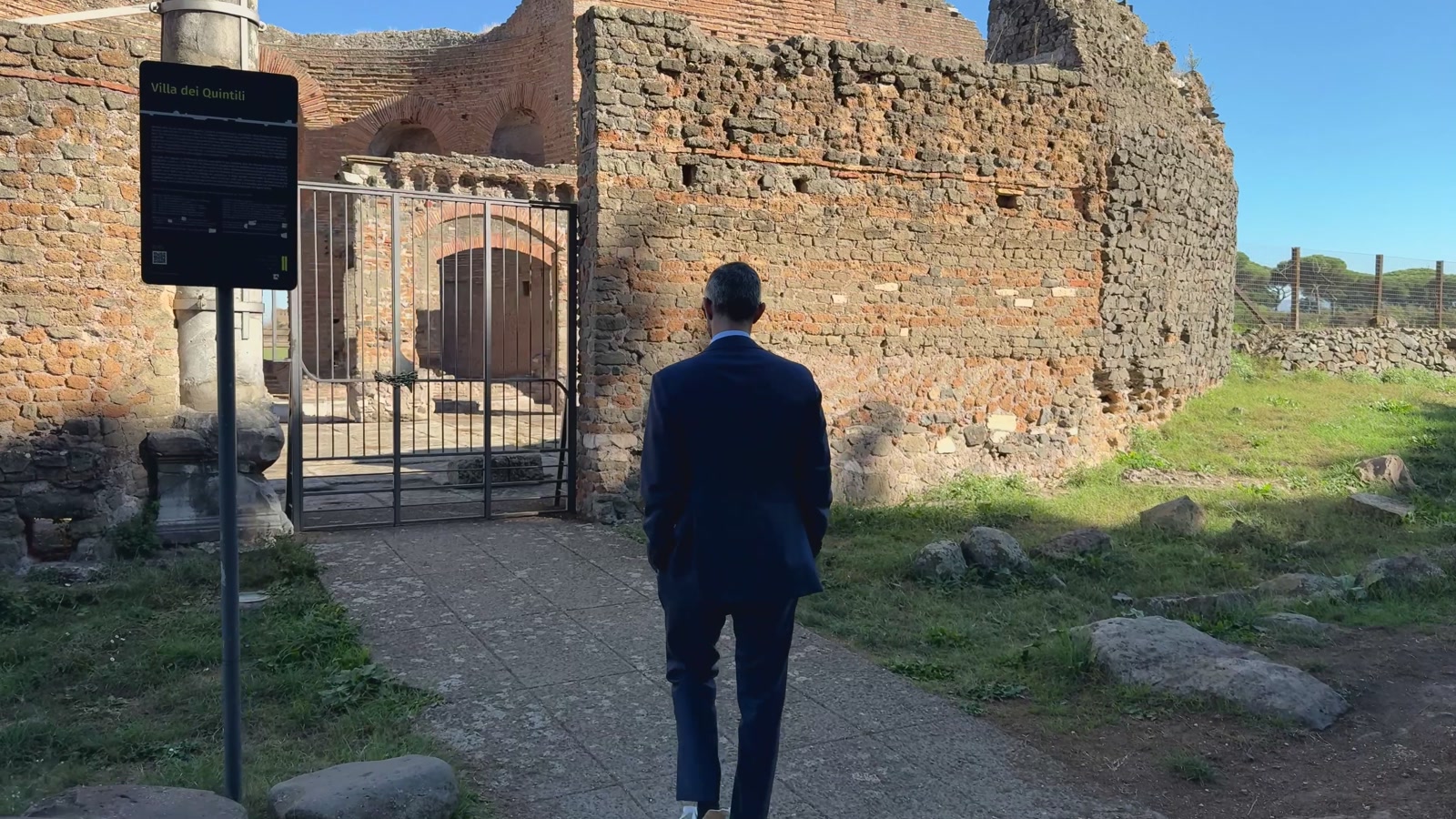
The closer you walk toward the city, the thicker the past becomes: the ruins crowd the verges, the mausoleums rise, the catacombs open beneath your feet, and the private villas you pass — gardens and gateways out of a dream — only sharpen the strangeness of walking an ancient highway in such quiet. Go slowly; the footing is uneven, and that is part of it. But understand what you are walking, and the silence changes. You are not strolling a pretty lane. You are on the ground the faith entered Rome by — the road Paul was marched along, the road the first Christians buried their dead beside, the road where Peter turned back. Knowing it is the whole difference between a nice walk and a pilgrimage. Pilgrimage, not tourism: prepare your heart, not only your suitcase — the same way we prepare travellers for the cell where Paul was held and the tomb beneath St Peter’s.
Empires built the Appian Way to move armies and reach the sea. What it is remembered for, in the end, is quieter: a tired prisoner who walked its last miles and changed the world, and the believers who came out to meet him on the stones. Walk it today, under the pines, and the road still keeps their company.
Whether you are a pastor bringing your congregation or a traveller going on your own, we build the journey around understanding — so that a road like the Appian Way becomes the ground the faith walked in on, not just a walk in the sun. Tell us about your trip and we’ll start planning it with you.
Plan your pilgrimage →Common questions
The oldest and most famous Roman road, begun in 312 BC by Appius Claudius Caecus. Called the “Queen of Roads,” it ran from Rome to Brindisi. Its first miles outside Rome survive today as a park of ancient paving, roadside tombs and catacombs.
According to Acts 28, yes: brought to Italy as a prisoner, Paul travelled up to Rome on foot and was met by Christians at the Forum of Appius and Three Taverns — both stations on the Appian Way — before the words “And so we came to Rome.”
Yes. The Appia Antica is a protected park; you can walk or cycle long stretches of the original basalt road past tombs, ruins and the catacombs. The footing is uneven ancient stone, so go carefully; it is quiet and largely free of traffic.
It is the road Paul entered Rome by, the road along which the great catacombs were dug outside the walls, and the site of the “Quo Vadis” tradition of St Peter — one road holding several of the deepest Christian memories in Rome.