Were Christians Really Martyred in the Colosseum?
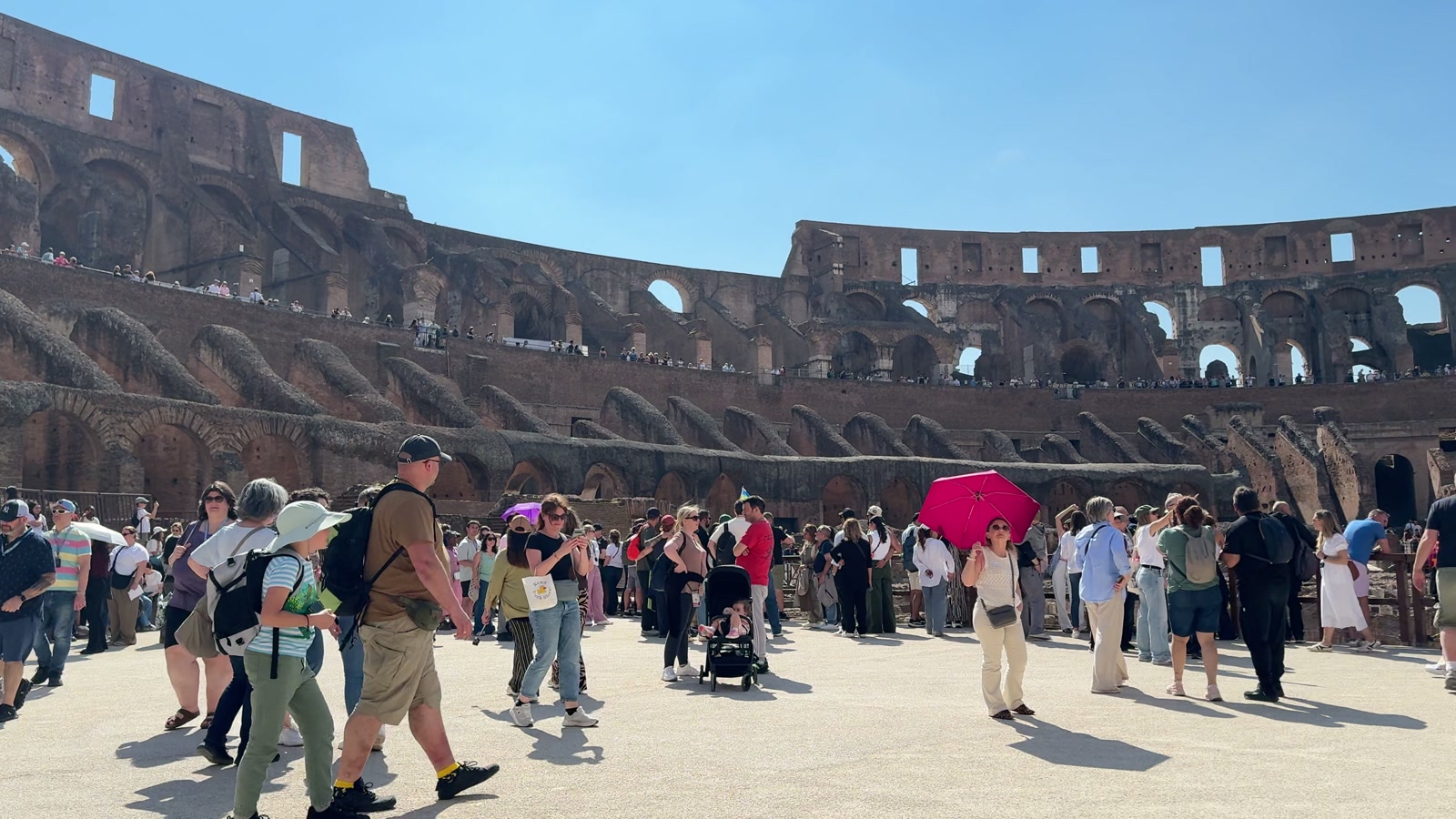
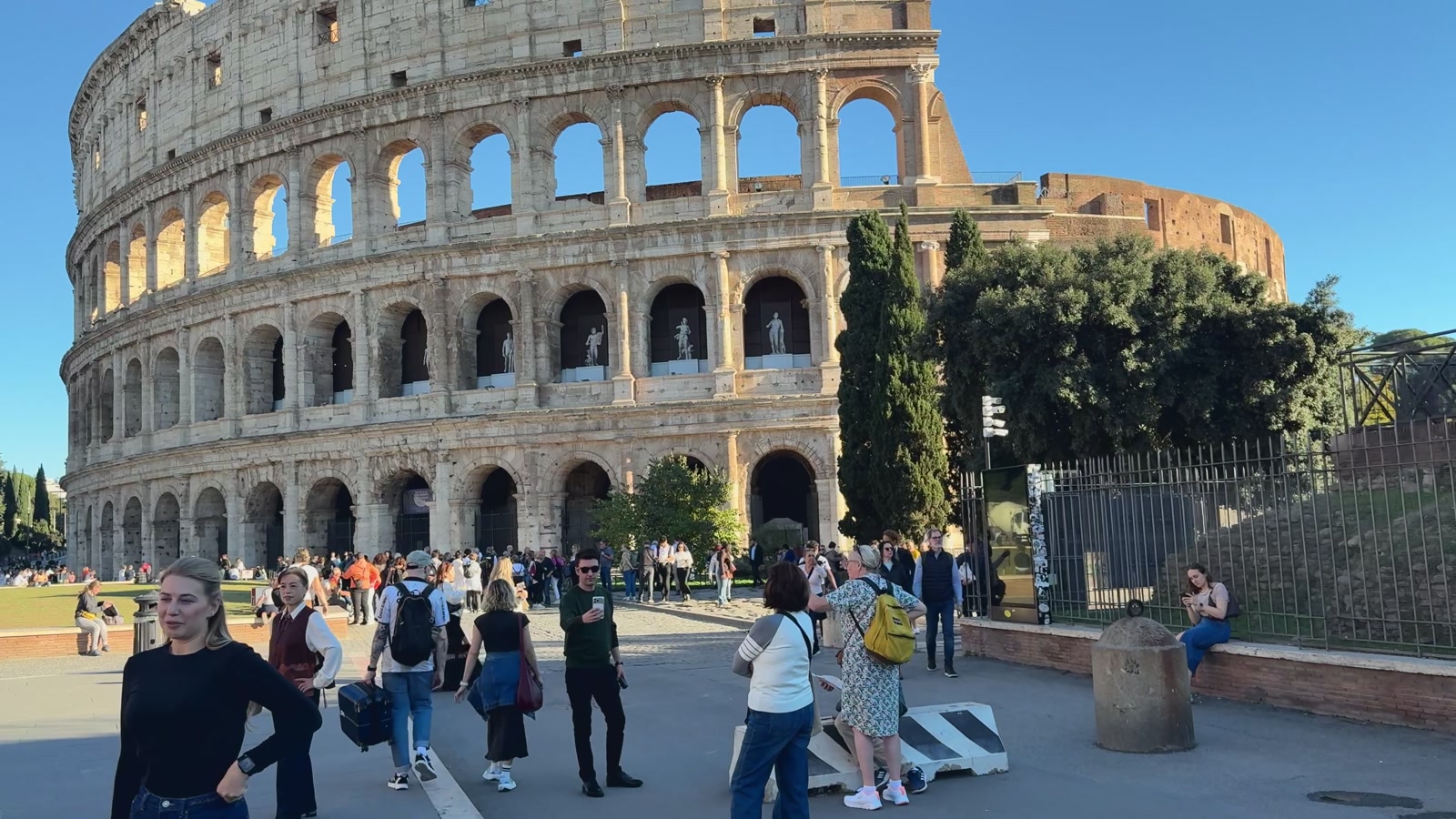
Almost every Christian who stands in the Colosseum feels it: this is where they threw our people to the lions. A guide points to the cross; the stalls sell the story; something in you tightens. It is one of the most powerful images a pilgrim carries into Rome. It is also, for the most part, not true — and we would rather tell you so, because the truth turns out to be more worth knowing than the legend.
What the evidence actually says
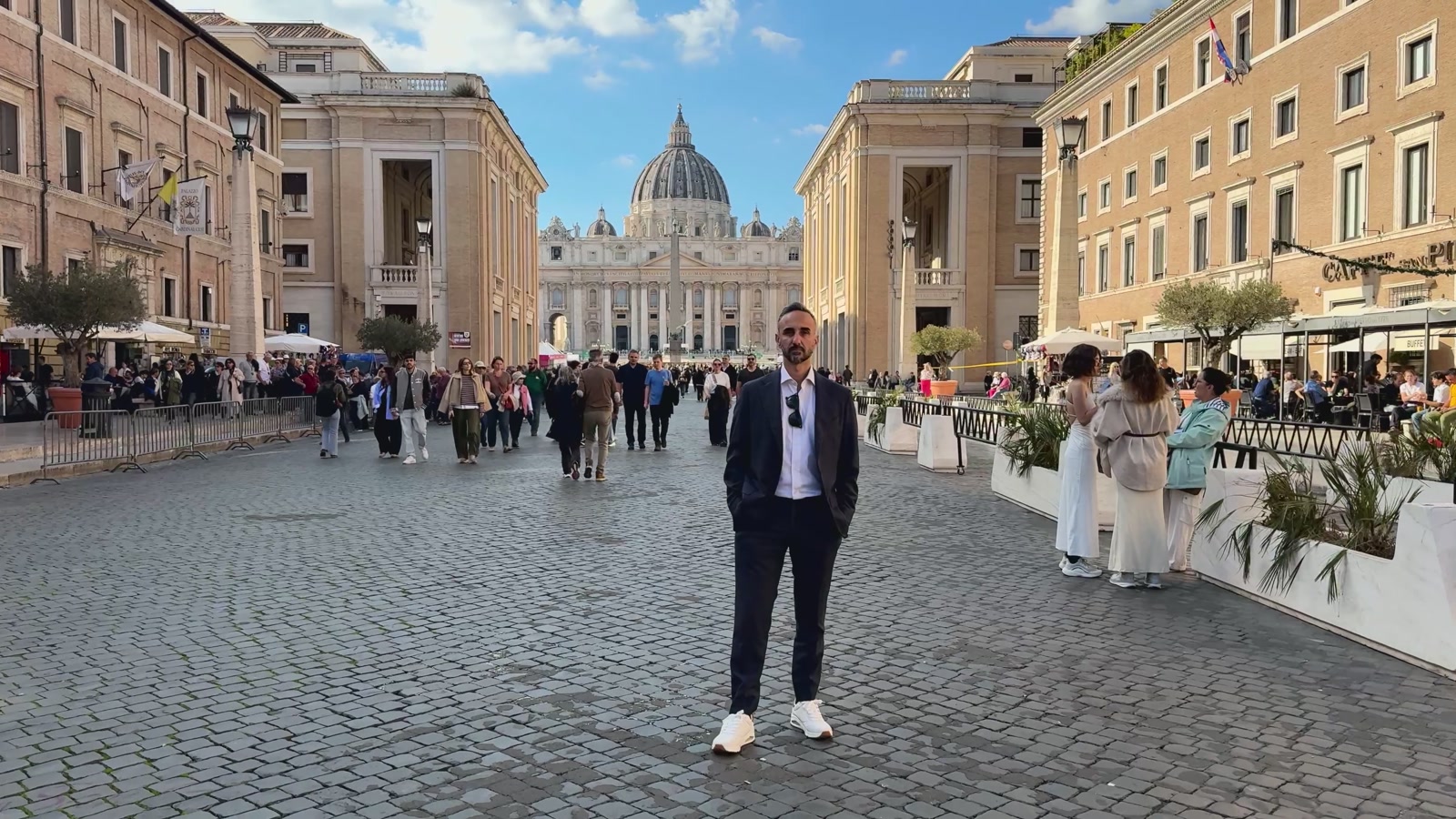
The famous persecution under Nero — the one that killed Peter and Paul — happened in 64 AD, and the Colosseum did not yet exist: it was opened in 80 AD, sixteen years later. Nero’s victims died in his circus on the Vatican hill — the ground now beneath St Peter’s Basilica, where Peter was killed — not here. No reliable ancient source records Christians being martyred in this amphitheatre at all. The martyrs the Church can actually name and date died in other arenas: Blandina and her companions at Lyon in 177, Perpetua and Felicity at Carthage in 203. The cross inside the Colosseum, and the Good Friday procession, are real and moving — but they date only from the eighteenth century, when a pope dedicated the ruin to the memory of the martyrs. That is devotion, not evidence.
Why we tell you this
We could let the myth stand; it flatters the pilgrim, and it sells. But a faith founded on the truth is not well served by a tourist legend, however stirring. Part of preparing for Rome is learning to tell what the Church actually remembers from what the guidebooks have romanticised — and the real story of Christian Rome needs no embellishing. It is extraordinary enough on its own.
The world the faith walked into
So why should a Christian still visit the Colosseum? Because it is the clearest window in Rome onto the world the early Church was born into. Here fifty thousand Romans watched men and animals killed for an afternoon’s entertainment, free of charge, and called it civilisation. That was the moral universe into which a message of mercy, of the dignity of every person, of love even for enemies, was quietly dropped — and which, over three centuries, it overturned. Stand in that arena and you grasp, as no book can tell you, how radical the Gospel was and how far it had to travel. The Colosseum is not where the faith was martyred. It is a measure of what the faith changed.
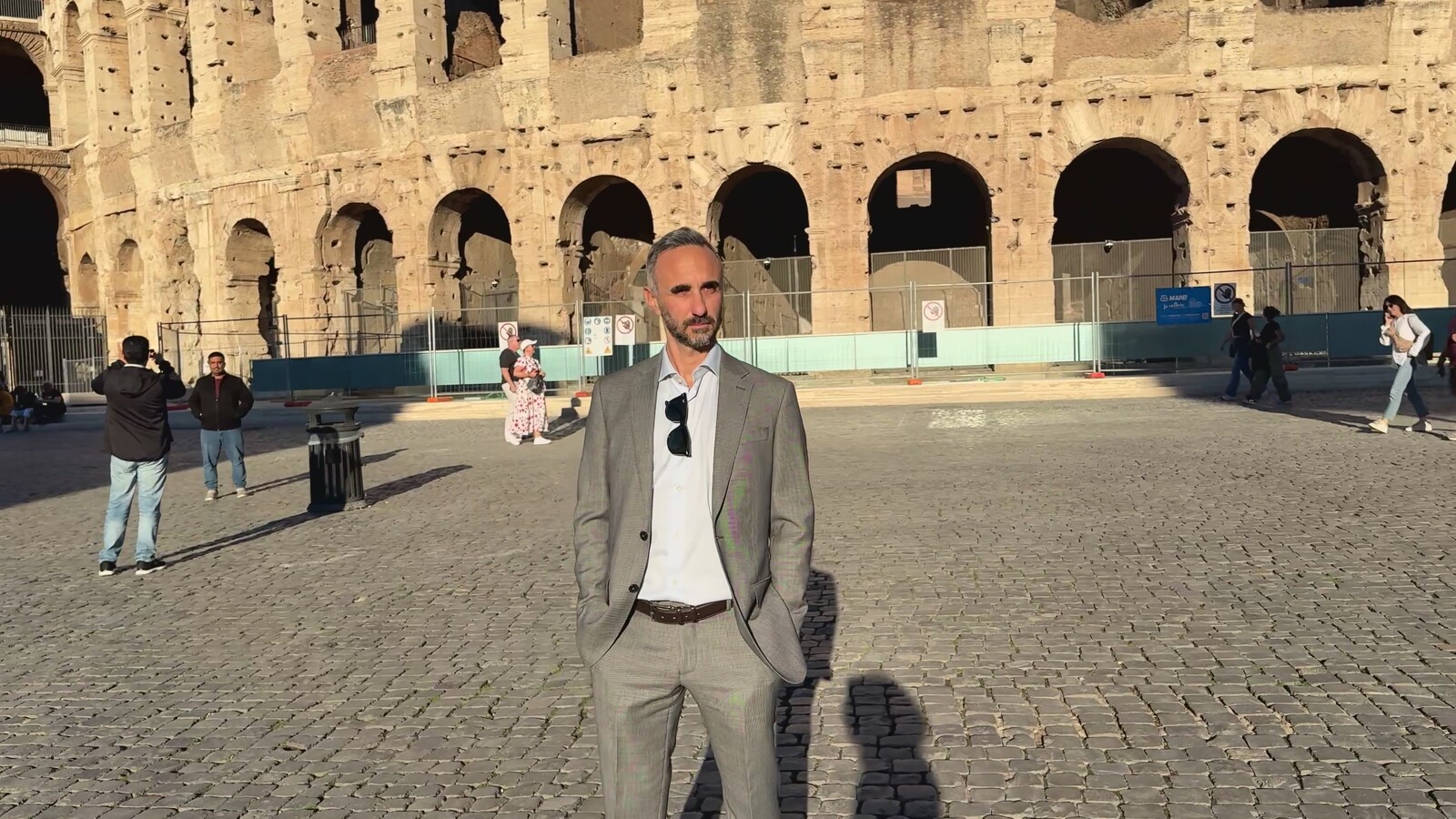
The Colosseum is not where the faith was martyred. It is a measure of what the faith changed.
Two minutes to the real ground
And then you walk. It is barely two minutes from the Colosseum, past the edge of the Forum, to the Mamertine Prison — the cell where tradition holds Peter and Paul were kept before the end. That short walk is the whole story in miniature: from the arena where Rome displayed its power, to the dark little room where two prisoners held a faith that would outlast the empire that killed them. Pilgrimage, not tourism: we prepare you to read both — the world, and the ground where the faith took root — the same thread that runs on from this arena to the grave of Peter himself.
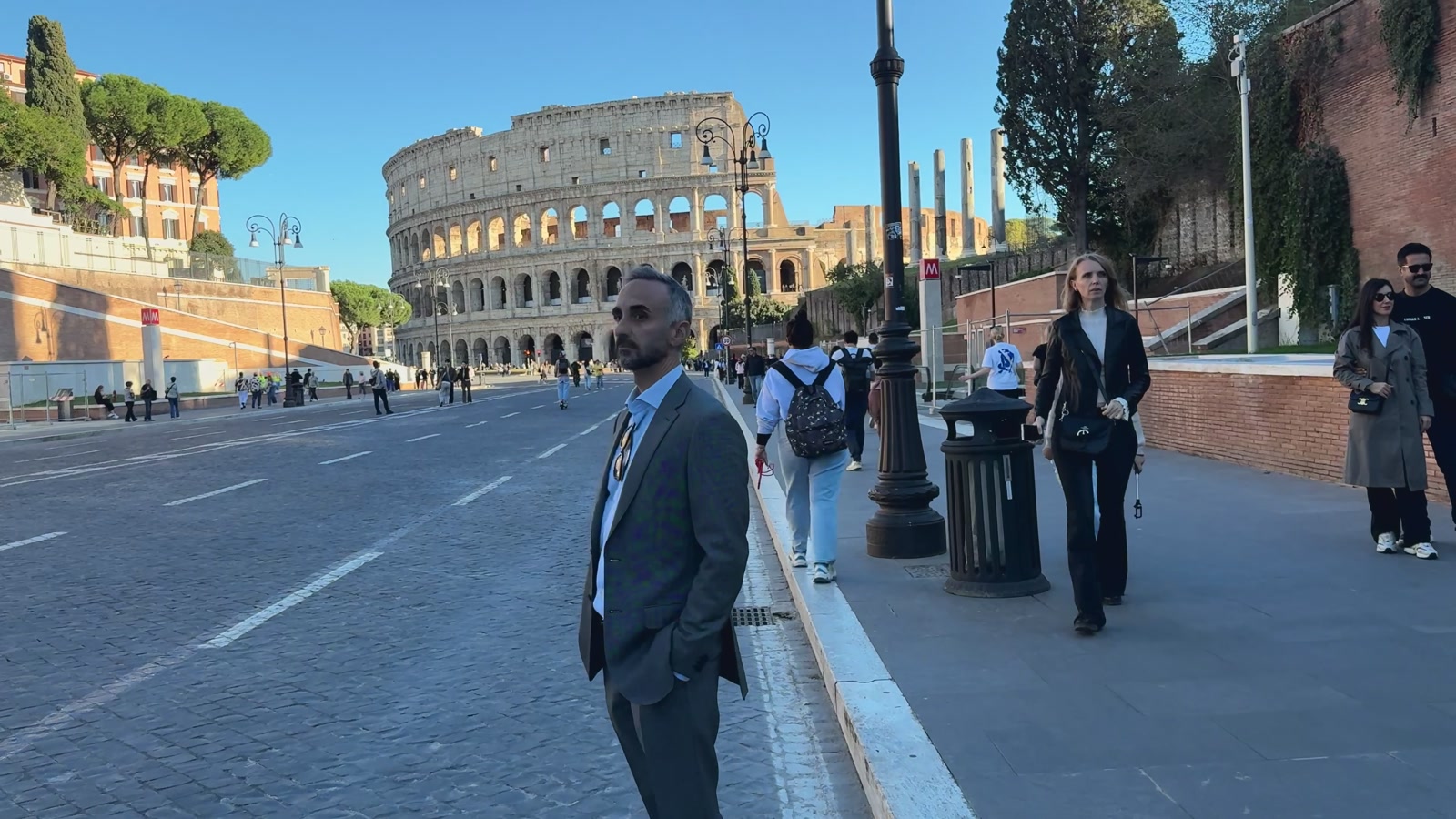
The lions-in-the-Colosseum story is a beautiful piece of fiction. What actually happened in Rome — a fisherman and a former persecutor, put to death quietly, whose faith outlived the greatest empire on earth — is better. We would rather you carried the true one home.
Whether you are a pastor bringing your congregation or a traveller going on your own, we build the journey around understanding what really happened here — the world the faith entered, and the ground where it took root. Tell us about your trip and we’ll start planning it with you.
Plan your pilgrimage →Common questions
Almost certainly not, in any numbers we can document. Nero’s persecution predates the building; no reliable ancient source places Christian martyrdoms in this amphitheatre; the martyr-devotion and the cross inside date only from the eighteenth century.
Under Nero (64 AD), at his circus on the Vatican hill — the ground beneath St Peter’s — where Peter was killed; Paul was beheaded outside the walls. Documented arena-martyrdoms belong to other cities, such as Lyon (177) and Carthage (203).
Yes — not as a site of martyrdom, but as the clearest picture of the Roman world the early Church confronted and changed. Pair it with the Mamertine Prison, two minutes away.
Pope Benedict XIV dedicated the ruin to the Passion of Christ and the memory of martyrs in 1749, establishing the Stations of the Cross there — a devotional act, not historical proof of martyrdoms on the site.